Shin splints, or Medial Tibial Stress Syndrome (MTSS), is one of the most common causes of lower leg pain, particularly in athletes and physically active individuals. Whether you are a runner, a weekend warrior, or someone who has just recently started a new exercise program, understanding what shin splints are, how they develop and how they can be managed is crucial in staying active and avoiding long term injury.
A variety of factors can contribute to the development of shin splints, including overtraining (normally by doing too much too soon), poor footwear, muscle imbalances, poor strength and load management, tight muscles and high body mass. It normally presents as diffuse palpable pain and a dull ache along the tibia (or shin bone) following exercise. Normally the lower third of the tibia gets affected and the pain can be caused by periostitis, which is inflammation of the sheath that covers your bone; think about it like cling wrap around the shaft of your shin bone. As your muscles get really tight or over worked, they can pull on the periosteum that is filled with small nerve endings which can lead to pain and potentially stress reactions or fractures along the tibia. Athletes who have rapidly increased their training or activity are significantly prone to stress reactions because of this, as our bones haven’t had a chance to heal and adapt to that increase in load.
So, let’s break it down even more for you:
Overuse and High-Impact Activities
Performing activities such as running, dancing, jumping movements or hiking on hard surfaces can place significant strain on our lower leg muscles and bones, which can lead to inflammation. When we suddenly increase the intensity, frequency, and/or duration of physical activity, we can develop shin splints.
Improper Footwear
Wearing shoes that do not provide adequate support or cushioning can exacerbate the impact on our joints and muscles, especially during high-impact activities. The whole point of shoes is to reduce this impact and distribute the load and ground reaction forces more evenly across our feet. Therefore, ill-fitting shoes or shoes that are worn out can increase the risk of developing shin splints.
Excessive pronation (“flat feet”)
Pronation (when the foot rolls inward excessively) or flat feet (lack of an arch) can alter the biomechanics of the lower limbs. Those muscles that are in charge of reducing this pronation are constantly overworked and are forced to work very inefficiently causing strain on the tibia and hence shin splints.
Weak or Imbalanced Muscles
Weakness or imbalances in the calf, ankle, or hip muscles can result in improper gait mechanics, which puts added stress on the shin and can lead to inflammation and pain.
From experience, I find that it is a combination of multiple or even all the factors above. This may seem overwhelming for you if you are reading this, but this is where we come in to help you.
I strongly believe that effective treatment for shin splints focuses on relieving pain, reducing inflammation, and addressing the underlying causes to prevent recurrence. My goal is to always help you get back to your normal activities without it being too debilitating that you have to stop running or playing sport. We all know rest is going to help, but I don’t think I have ever come across a runner or athlete that has listened to that advice. So how about we focus on managing the pain to a level that is enough for you to keep doing what you’re doing safely, yes limiting it, but focus on strength and rehab first and let us do the rest.
How can we help you?
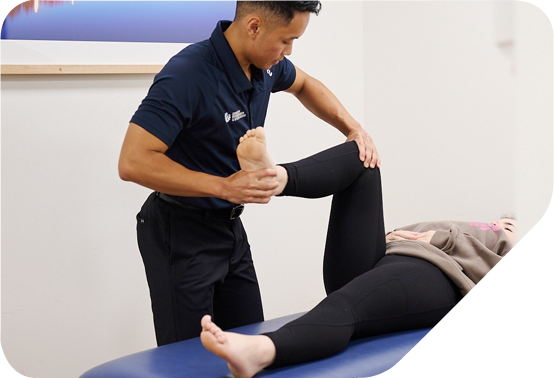
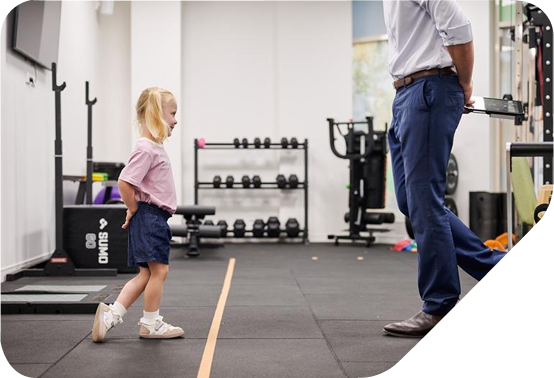
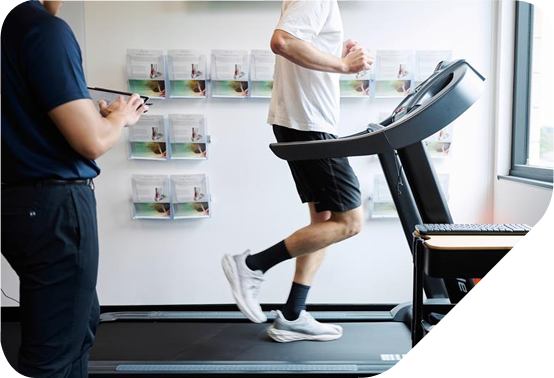
I am a strong believer in strength and load management. Strong research has shown that a combination of weightbearing and resistance-based exercises that focuses on strengthening our calves and glutes can help correct biomechanical imbalances and reduce the risk of future shin splints. Once that has been established, we want to return to activity or increase our load slowly and incrementally. This will help avoid further injury or even re-injury. We do this by performing a running assessment and strength assessment so that we can establish baseline measures and track your progress and return to sport.
Biomechanical Corrections
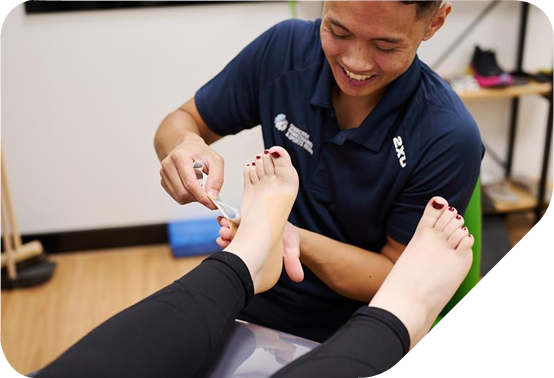
For individuals with abnormal foot mechanics, addressing these issues can prevent further stress on the lower legs. This is where a podiatrist’s expertise becomes valuable as we can build customised orthotics to address these faults in your biomechanics.
Footwear Assessment and Recommendations
Our team can evaluate your footwear to determine whether your shoes are contributing to your shin splints. This can include recommending specific brands or types of shoes that offer better support, cushioning, and/or stability. It often amazes me the difference shoes can make with your running!
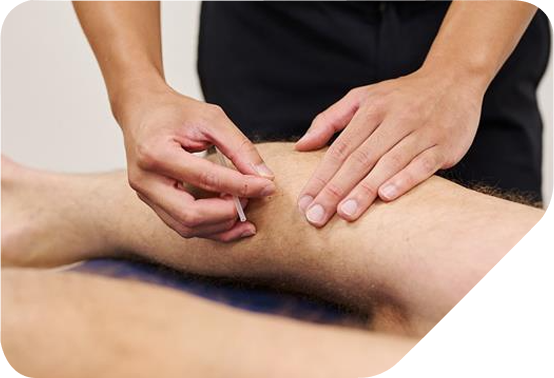
Other adjunct therapies that are useful in management of shin splints includes dry Needling or Shockwave Therapy but have a read of that in our separate blog post. As always don’t hesitate to contact our team for expert care and support and let us help you stay active and on your feet!