Running has become very popular and one of the most widespread activities to do in the ACT. Perhaps it is due to the COVID lockdown rules that restricted us from doing anything else but run. This running trend continued post-covid lockdowns and what better way to stay active in our Canberra climate than to enjoy the scenery that comes with it!
Whether you are a recreational or a competitive runner, studies have estimated that up to 70% of runners sustain overuse injuries over their time. Exact causes of running and overuse injuries are multi-factorial in nature, but generally speaking they can be grouped into three categories: training, anatomical and/or biomechanical factors. This is where we come in as your podiatrist, to investigate and assess what is causing your injury and preventing you from running at your best.
A common running injury we see at the foot/ankle level is heel pain. Common causes or diagnoses may include plantar fasciitis, Achilles tendinopathy and bursitis. A lot of the time they come hand in hand and are often treated very similarly.
So, what is the plantar fascia? The plantar fascia is a thick and strong tissue that runs along the bottom of your foot. I like to think of it as a strong elastic band that connects your heel bone to your toes and holds up the arch of your foot. Generally, the plantar fascia is meant to be quite elastic and strong to withstand all the forces that are applied with walking and running. However, over time the plantar fascia can start to get thickened due to wear and tear and overuse or poor biomechanics. During running, our plantar fascia absorbs a lot of the shock from our body into the ground, think of it like a spring in our foot. With wear and tear, the plantar fascia gets little micro tears in the band, which over time does heal and get stronger, however with incorrect training, loading, overuse, or not enough rest in between activity, the plantar fascia can get bigger tears or thicken and degenerate, leading to pain along your heel (the insertion point of the fascia) or arch pain.
Management
Keeping you on your feet and moving is always our goal for treatment. Conservative treatment does work well when it is diagnosed very early on.
Offloading and load management tend to be our pillars of treatment for the plantar fascia. Offloading can include taping your foot, supporting your biomechanics with orthotics and addressing your footwear (whether that be because you are in incorrect shoes or worn-out shoes).
Load management really does depend on your pain levels. Although rest is good for the plantar fascia, unless it is completely torn, I strongly believe that the plantar fascia heals much quicker when it is under load. Based on the collagen fibers the plantar fascia is made up of, it doesn’t really get better unless it is under progressive load, that means loading it up slowly. A lot of the time it is through the intrinsic foot muscles which are the tiny little muscles in our feet, and your calf strength that you need to work on. However, with runners I always find that core and glute strength is often neglected too (but we cannot afford to do that as they are all connected!)
As we age, like all muscles and tendons in our bodies, we lose the elasticity of the plantar fascia, which means there will be a slower healing process, as well as decrease tolerance to stress and load. So, it is always important to match your load outside (i.e. running) with some strength work at home or in the gym. Our team at Canberra Biomechanics & Sports Rehab Clinic can help you continue to run (safely) with a proper regime.
To help you with your running, our team specialise in:
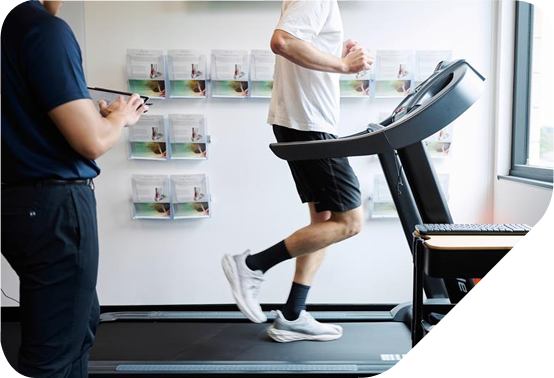
- Gait and Running Assessments
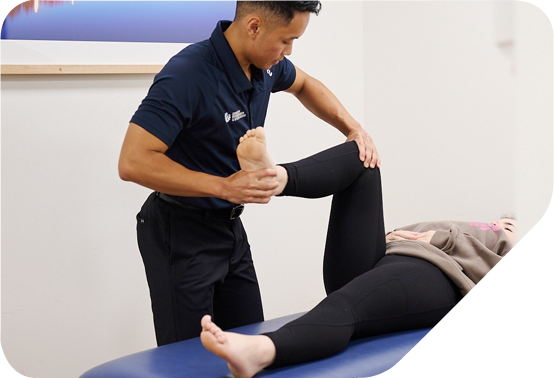
- Biomechanical Assessments
- Strength and Conditioning
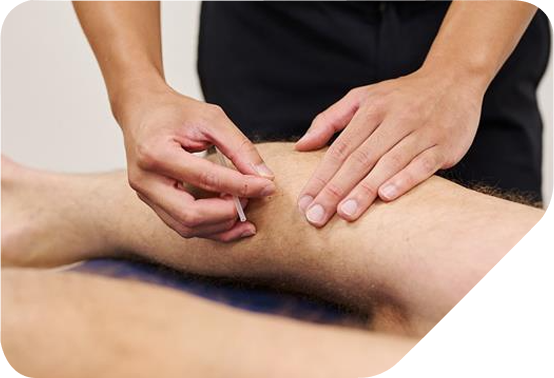
- Dry Needling
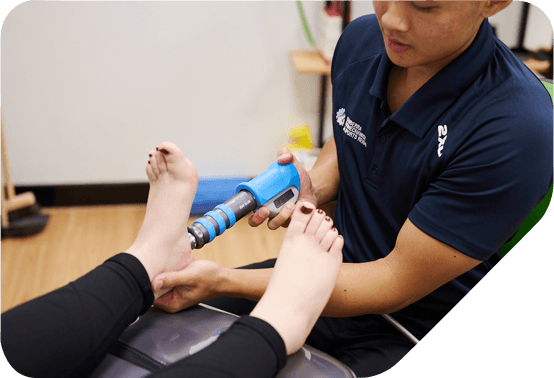
- Shockwave Therapy
- Pressure Plate Testing
- Orthotic Therapy