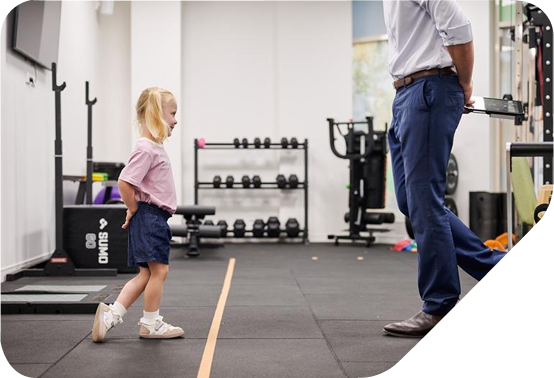
Children’s feet undergo significant changes as they grow, making pediatric foot health an essential topic for parents and caregivers. Proper care and understanding of common foot issues can prevent complications later in life. We tend to forget that feet are our foundation, they keep us moving, walking, running and doing the activities we all love to do. Children’s feet and lower limbs play a vital role in their overall health and development, especially as they engage in sports and physical activity, or even just playing with their friends at school. Some of the common things we see in the clinic with young children are:
Flat Feet
Flat feet are common in children and often resolve on their own as the arches develop as they get older. However, genetics does play a role as well. Persistent flatfoot can lead to pain and discomfort as it can place our muscles into their end range stretch, making it more prone to overuse injury and pain.
Sever’s Disease (Calcaneal Apophysitis/Heel Pain)
This condition is our most common complaint in the clinic. It presents as pain in the heel, typically in active children (especially boys) aged 8-14. It occurs due to inflammation and irritation of the growth plate at the back of the calcaneus and is often exacerbated by physical activity.
Ankle Sprains
Most adults have had this happen at least once in their life. But ankle sprains are actually also common in young athletes, especially during high-impact sports. Most sports are also multi-directional in nature, and this can influence young growing feet that are just learning how to move and function. Evidence suggests that these injuries, although they may seem small at first, can lead to long-term complications if not addressed properly.
Osgood-Schlatter Disease
This condition affects the knee, particularly in active adolescents, causing pain below the knee joint. Research indicates that it is often linked to growth spurts and increased physical activity. Basically, bones are growing too fast, and muscles do not have enough time to catch up. This emphasises the need for appropriate management strategies and proper strength and conditioning training in young athletes.
So what can we do to help?
Start with regular assessments. Here at Canberra Biomechanics & Sports Rehab we pride ourselves in identifying and managing issues early. Our team can monitor foot development during routine check-ups for any signs of discomfort, asymmetry, or developmental delays that can inhibit your child’s overall performance.
Footwear Recommendations
Choosing the right footwear is crucial for healthy foot development. Children spend the majority of their day at school in shoes, and it is so important that we fit them in shoes that provide adequate support, cushioning and a proper fit to accommodate their growing feet. Unsure what shoes to purchase for your child? We can discuss options and features to look for when buying your next shoe for your child!
Orthotics
Orthotics are not always necessary and vital for every child to have. Often, they are saved for those children with persistent foot pain and lower limb issues. Orthotics can help correct alignment, provide support, distribute pressures on their growing feet, and reduce pain during activity. Our team can guide you on the options available for managing your child’s lower limb pains.
Strength & Conditioning
Correct strength programing can be difficult for young athletes and kids. Motivation to exercise seems to be our worst enemy when managing children with lower limb pain. It is important that we, the clinician, work closely with you as the parent/carer to ensure proper regimented strength programing that has been prescribed to ensure progress and a reduction in their pain.
Incorporating evidence-based practices, as stated above, can make a significant difference in a child’s foot health journey. Children are not great at reporting their pain, or pin pointing exactly what the issue is, so if you notice any concerns regarding your child’s feet, or you notice limping, night pains or your child not wanting to participate in activities, this may be a sign something is wrong. Don’t hesitate to contact our team for expert care and support. Investing in your child’s foot health today can lead to a lifetime of comfort and mobility tomorrow!